Una lista de verificación a nivel profesional para planificar talleres que cubre el proceso completo, desde la conversación inicial hasta la entrega post-sesión: objetivos, entrevistas previas, selección de métodos, tiempos, configuración del espacio y responsabilidad en el seguimiento.
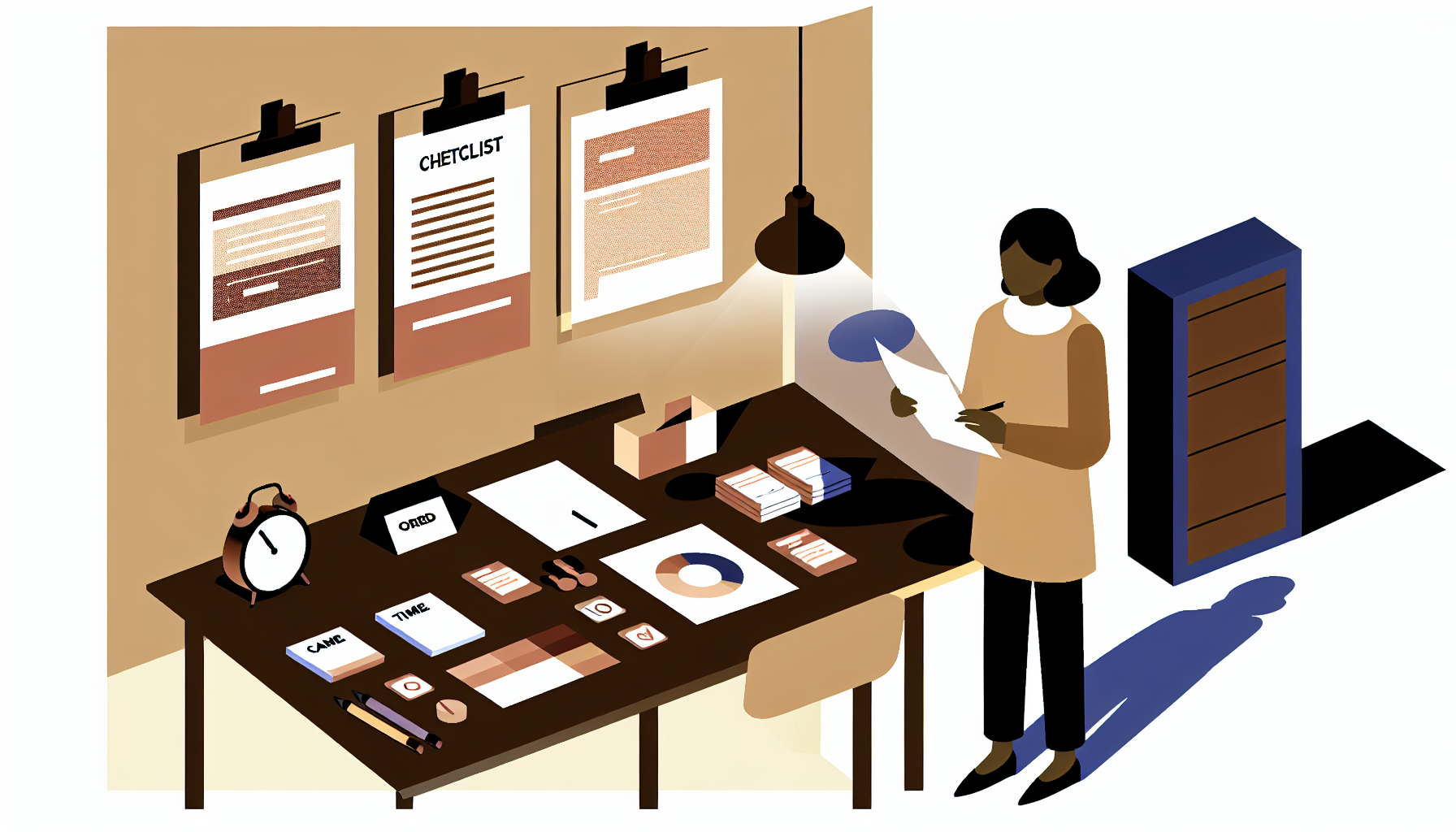
El trabajo real ocurre antes de que alguien entre a la sala
Si llevas tiempo en el mundo de los talleres, ya conoces la dura realidad: la sesión en sí misma es solo una fracción del esfuerzo. El verdadero arte está en el trabajo previo antes de que llegue la primera persona y en el seguimiento posterior. No hablamos de lo básico aquí —se trata del trabajo entre bastidores que distingue a los facilitadores experimentados de los simples coordinadores de reuniones. Para quienes buscan una guía completa, consulta nuestro artículo sobre cómo facilitar un taller con técnicas para la sala y consejos de seguimiento.
Si todavía estás buscando actividades de bienvenida la noche anterior, este artículo no es para ti. Pero si tus talleres se sienten bien en el momento pero generan poco impacto real, o si alguna vez has tenido el público equivocado o has visto cómo una agenda perfectamente diseñada se derrumba por la política de oficina, sigue leyendo.
Esta no es una lista de verificación ordinaria. Es un análisis profundo de la planificación estratégica que utilizan los facilitadores experimentados pero que raramente revelan. Después de examinar cómo operan los mejores facilitadores, Workshop Weaver identificó estas ocho fases como los verdaderos diferenciadores.
La entrevista inicial: la clave del éxito
La mayoría de los talleres fracasan o tienen éxito antes de comenzar, y todo gira en torno a la conversación inicial. Cuando un cliente pide un "taller de trabajo en equipo" o una "sesión de estrategia", no asientas sin más. Profundiza para descubrir el problema empresarial real en juego.
Una entrevista inicial correcta no consiste en anotar la logística. Se trata de entender cuáles serán las consecuencias si el taller no se celebra. ¿Quién siente el impacto? ¿Qué oportunidades se están perdiendo? ¿Qué tensiones quedan sin resolver? Según la International Association of Facilitators, la mayoría de los problemas en talleres se deben a objetivos mal alineados, fácilmente detectables durante la fase inicial.
Cómo evitar errores de principiante en la entrevista inicial:
Pregunta sobre fracasos pasados. "¿Han abordado antes este problema? ¿Qué salió mal?" Esto te ayuda a navegar posibles obstáculos.
Busca resultados medibles. "¿Qué cambia 90 días después de un taller exitoso?" Los objetivos vagos deben transformarse en resultados específicos y observables.
Descubre las dinámicas políticas desde el principio. "¿A quién hay que convencer de que esto es valioso? ¿Quién es escéptico respecto a los talleres?" Esta información configura todo, desde tu introducción hasta tu estrategia de grupos.
Invertir tiempo aquí da sus frutos. Los facilitadores que dedican 3-5 horas de preparación por cada hora de taller ven niveles significativamente más altos de satisfacción de los participantes y mejores tasas de implementación, según señala la Harvard Business Review.
Considera este escenario: una empresa del Fortune 500 quería un taller de planificación estratégica, pero durante la entrevista inicial emergió el problema real de la sucesión en el liderazgo. Al replantear los objetivos para incluir la transición de liderazgo, el facilitador condujo una sesión que abordó tanto la estrategia como la continuidad, logrando resultados que una sesión de estrategia estándar habría pasado por alto.
Tu lista de verificación de la entrevista inicial debe cubrir: contexto empresarial, urgencia, métricas de éxito, panorama político, esfuerzos pasados, responsabilidad y autoridad de decisión. Aclara estos puntos, o ninguna habilidad de facilitación podrá salvarte.
Entrevistas previas con partes interesadas: revelando las dinámicas ocultas
Tras la entrevista inicial, el siguiente paso son las entrevistas previas con las partes interesadas, generalmente entre 3 y 7. Aquí es donde descubres las dinámicas ocultas, las agendas en competencia y el contexto histórico que pueden hacer o deshacer tu taller.
Las entrevistas previas no son simples charlas de cortesía. Se trata de obtener la información política que guiará desde la distribución de la sala hasta el momento de los descansos. Un estudio del Journal of Applied Behavioral Science encontró que una parte significativa del conflicto en los talleres surge de expectativas mal alineadas y agendas ocultas, que las entrevistas previas pueden sacar a la luz.
Tu proceso de entrevistas previas debe incluir:
Experiencias anteriores con talleres. "¿Qué funcionó o no funcionó antes?" Esto evalúa la cultura de talleres de la organización y los niveles de confianza.
Dinámicas relacionales. "¿Quién colabora bien? ¿Dónde hay fricción?" Escucha esto en los debates sobre proyectos y decisiones pasadas.
Resultados deseados y temidos. "¿Qué haría que esta sesión sea un fracaso para ti?" Los miedos suelen revelar más que las esperanzas.
Cronograma de éxito. "¿Cómo es el éxito en 3-6 meses?" Esto establece tu línea de base para el impacto y las expectativas de cambio.
Los facilitadores que realizan estas entrevistas previas reportan menos sorpresas y mayores tasas de consenso. Los participantes llegan informados y tú llegas sabiendo dónde están las líneas de fractura.
Por ejemplo, un taller de desarrollo de producto fue reestructurado después de que las entrevistas previas revelaran interpretaciones diferentes sobre las necesidades del cliente entre ingeniería y marketing. Al incorporar una sesión de revisión de datos de clientes y mezclar los grupos de trabajo, el facilitador evitó un enfrentamiento tenso.
Los aprendizajes de las entrevistas previas deben influir directamente en tu lista de participantes, selección de métodos y enfoque de facilitación. Si la fatiga de talleres pasados es un tema común, diferencia tu enfoque desde el principio. Si detectas resistencia oculta, construye confianza antes de entrar en el contenido.
Análisis de la mezcla de participantes: formando el grupo correcto
Quién está en la sala puede ser tan importante como la agenda. La selección de participantes es a menudo donde los promotores necesitan más orientación. Pueden invitar a demasiadas personas, seleccionar el nivel equivocado o crear dinámicas de poder que inhiben el diálogo abierto.
Tu papel es asesorar sobre la mejor combinación de tomadores de decisiones, implementadores, expertos en la materia y perspectivas variadas. La investigación del Project Aristotle de Google muestra que la seguridad psicológica, crucial para talleres productivos, está fuertemente influenciada por quién está presente y cómo se distribuye el poder.
Considera estos factores:
Tamaño del grupo según el objetivo. Los estudios sugieren que los grupos medianos, de alrededor de cinco a nueve participantes, equilibran la diversidad de ideas y la coordinación.
Autoridad de decisión vs. responsabilidad de implementación. Quienes ejecutan las decisiones deben estar presentes cuando se toman. Si los líderes toman decisiones que los mandos intermedios deben implementar, ambos grupos deben participar para evitar una brecha en el traspaso.
Dinámicas de poder y oportunidades de hablar. La investigación muestra que cuando los líderes senior hablan primero, los participantes junior son mucho menos propensos a expresar opiniones contrarias, lo que puede reducir la calidad de las decisiones. Organiza la distribución de asientos y el orden de intervención para mitigar esto.
Por ejemplo, un taller de fusión inicialmente incluía solo a altos ejecutivos. El análisis de participantes reveló que los mandos intermedios tenían conocimientos operativos clave. El facilitador reestructuró la sesión para incluir grupos de trabajo mixtos, permitiendo que los líderes escucharan directamente a los implementadores, lo que resultó en un plan de integración más viable.
Tu análisis de participantes debe generar recomendaciones sobre tamaño, niveles organizativos, representación funcional y posibles exclusiones. Usa argumentos respaldados por investigación para defender tu postura si el promotor se opone.
Selección de métodos: adaptando las herramientas a los objetivos
Los facilitadores principiantes suelen depender de la lluvia de ideas básica, grupos de trabajo y votaciones. En cambio, los facilitadores experimentados tienen un arsenal de 20-30 métodos y eligen en función de los objetivos, las dinámicas del grupo, las limitaciones de tiempo y la cultura empresarial.
El mismo objetivo, como priorizar iniciativas, puede requerir métodos diferentes según si el grupo es analítico o creativo, jerárquico o horizontal. Liberating Structures ofrece un marco que muestra cómo la estructura adecuada puede liberar la creatividad cuando se elige correctamente.
Un estudio exhaustivo encontró que los talleres que utilizan métodos de facilitación estructurados logran sus objetivos significativamente más a menudo que los que dependen de debates no estructurados, según investigaciones en The Journal of Applied Psychology.
Al elegir métodos, considera:
Gestión de energía. Equilibra actividades de alta energía con sesiones de toma de decisiones. La investigación muestra que sin un cambio de método o un reajuste de energía, el compromiso cae significativamente después de 90 minutos.
Adecuación cultural. Una startup puede dar la bienvenida a métodos experimentales, mientras que una empresa financiera conservadora necesita enfoques estructurados.
Alineación de resultados. Si se necesita un plan de acción detallado, asegúrate de que tus métodos construyan sistemáticamente hacia ese objetivo. Si la alineación es el propósito, enfatiza la comprensión compartida.
Para la sesión de hoja de ruta de producto de una empresa tecnológica, el facilitador utilizó mapeo de impacto-esfuerzo para la priorización en lugar de votación, porque las entrevistas previas habían revelado criterios diferentes entre ingeniería y ventas. Este método visual aclaró las diferencias y fomentó un debate constructivo.
Tu arsenal de métodos debe incluir enfoques tanto para la divergencia como para la convergencia, actividades individuales y grupales, y alternativas rápidas para cuando tu método principal no funciona.
Tiempos y contingencias: equilibrando estructura y flexibilidad
El truco: los facilitadores expertos planifican las sesiones en incrementos de 15 minutos pero también mantienen un 20-30% de la agenda flexible. Son a la vez más estructurados y más adaptables que quienes siguen un plan rígido o improvisan sin ninguno.
Tu estrategia de tiempos debe incluir puntos de decisión donde el grupo pueda decidir profundizar más o avanzar, en función de la energía y el progreso. No se trata de abandonar tu plan, sino de incorporar la flexibilidad dentro de él.
El análisis de numerosos talleres encontró que los que se extienden más del 25% del tiempo programado experimentan menor satisfacción y seguimiento, incluso si la calidad del contenido era alta, según la Harvard Business Review.
Planifica contingencias como:
Métodos alternativos para las secciones principales. Ten alternativas que logren los mismos objetivos de manera diferente.
Versiones abreviadas. Si los debates se extienden, ten formas de comprimir secciones posteriores sin perder el contenido clave.
Actividades de extensión. Cuando el grupo avanza rápidamente, ten actividades más profundas preparadas en lugar de ejercicios de relleno.
Momento estratégico de los descansos. Programa descansos antes de las transiciones, después de conversaciones difíciles o cuando necesites tiempo informal para evaluar el ambiente o ajustar con los promotores.
En una sesión de planificación estratégica, un interesante debate sobre análisis de mercado se extendió más allá de sus 45 minutos programados. El facilitador lo amplió inteligentemente a 90 minutos, eliminando un ejercicio menos crítico y ajustando los descansos para mantener la energía. Los conocimientos obtenidos fueron fundamentales para la estrategia.
Tu plan de tiempos debe detallar el flujo ideal y tus puntos de flexibilidad. Evita la trampa de apresurarte en conversaciones críticas o dejar que debates sin rumbo devoren tu agenda sin trade-offs estratégicos.
Materiales y configuración del espacio: preparando el escenario para el éxito
La configuración del espacio no es un detalle menor —influye directamente en la participación. Las formas en U y las mesas redondas fomentan el debate, mientras que el estilo teatro lo inhibe. La investigación muestra que la configuración de la sala afecta la equidad en la participación, con disposiciones circulares que producen tiempos de intervención más equilibrados, según estudios en Environmental Psychology.
Los facilitadores profesionales especifican la configuración de la sala, las listas de materiales y los requisitos tecnológicos con antelación, a menudo visitando el espacio o solicitando fotos detalladas. No lo dejan al azar, sabiendo que los fallos en la configuración pueden descarrilar una sesión antes de que comience.
Prepara materiales que incluyan:
Paquetes de trabajo previo. Envía marcos de trabajo, datos o lecturas con antelación para reducir la carga cognitiva durante la sesión.
Marcos y plantillas impresos. Mantén el impulso eliminando la necesidad de empezar desde cero.
Materiales de alta calidad. Usar materiales profesionales señala la importancia del evento y aumenta el compromiso de los participantes. Las alternativas baratas sugieren que la sesión no es importante.
Verificaciones tecnológicas y planes de respaldo. Las investigaciones sobre efectividad de reuniones muestran que los fallos tecnológicos pueden desperdiciar tiempo significativo y reducir las puntuaciones de compromiso, con efectos que se prolongan más allá del problema.
Un facilitador trabajando con un equipo remoto utilizó una configuración híbrida con videoconferencia de alta calidad, pizarras digitales compartidas y materiales idénticos para los participantes remotos. Esta planificación meticulosa hizo que los asistentes remotos se sintieran tan comprometidos como los presenciales —un éxito poco común para los talleres híbridos.
Tu lista de materiales debe especificar cantidades, proveedores, alternativas y responsabilidades. Nunca llegues esperando que los materiales sean suficientes.
Agenda para el cliente: estableciendo el escenario con confianza
Una agenda para el cliente no es solo un horario —es una herramienta estratégica que genera confianza, gestiona expectativas y sirve como contrato que protege tanto al facilitador como al cliente.
Las agendas profesionales detallan objetivos, resultados esperados, roles de los participantes y cómo se utilizarán los resultados del taller, todo en un lenguaje accesible para los no facilitadores. Equilibran una planificación exhaustiva con la flexibilidad para adaptarse sobre la marcha.
Los talleres con agendas detalladas compartidas al menos 48 horas antes muestran una mayor finalización del trabajo previo y un inicio más productivo, como confirma la investigación de mejores prácticas de facilitación del Project Management Institute.
Tu agenda debe incluir:
Objetivos claros para cada sección. No solo "lluvia de ideas", sino "generar 20+ enfoques para la retención de clientes."
Nombres de métodos accesibles para el cliente. Usa términos como "resolución de problemas en grupos pequeños" en lugar de "1-2-4-All", a menos que tu cliente hable el idioma de la facilitación.
Resultados esperados. Detalla qué resultados tangibles producirá cada sección. Esto gestiona las expectativas y garantiza la responsabilidad.
Requisitos de trabajo previo. Especifica qué deben revisar, preparar o traer los participantes, incluyendo el compromiso de tiempo.
Un facilitador creó una agenda de dos niveles: una detallada para el promotor con métodos, tiempos y contingencias, y una versión para los participantes con objetivos, actividades y resultados esperados en lenguaje sencillo. Este doble enfoque satisfizo diferentes necesidades de las partes interesadas manteniendo la credibilidad profesional.
Tu agenda es documentación de acuerdos, una referencia para la evaluación post-taller y una herramienta para que los participantes comprendan sus roles y se preparen adecuadamente.
Seguimiento y entrega: asegurando la acción y la responsabilidad
Un taller no termina cuando los participantes se van, sino cuando hay claridad sobre la responsabilidad de implementación. La investigación sobre el cambio organizacional muestra que sin mecanismos explícitos de seguimiento, solo una fracción de los aprendizajes del taller se traducen en acción, pero esto aumenta drásticamente con responsabilidades claras y puntos de control durante la sesión, según el Implementation Science Journal.
Los facilitadores profesionales aseguran que las entregas sean explícitas, asignando responsables, plazos y mecanismos de accountability antes de que termine la sesión. Usa los últimos 30-45 minutos para la planificación de acciones, no solo para concluir el contenido.
Tu plan de seguimiento debe especificar:
Entregables post-taller. Define el formato de la documentación, el plazo de entrega y el nivel de síntesis. Los informes entregados en 48 horas generan más participación y son referenciados más a menudo que los entregados con retraso.
Responsabilidad de implementación. ¿Quién es responsable de cada compromiso? ¿Cuál es el plazo? ¿Quién es el socio de accountability? Hazlo claro y público.
Mecanismos de medición. ¿Cómo vas a hacer seguimiento de si los resultados del taller se traducen en acción? Considera puntos de control a 30-60-90 días, plantillas de seguimiento de implementación o sesiones de seguimiento.
Un facilitador cerró una sesión de estrategia haciendo que cada líder de equipo redactara un plan de acción a 30-60-90 días con una plantilla compartida y socios de accountability de otros departamentos. El promotor recibió tanto los resultados estratégicos como estos compromisos, estableciendo un marco de seguimiento integrado que llevó a una alta tasa de cumplimiento en 90 días.
Diseña tu protocolo de entrega durante la fase de planificación, no después del taller cuando estás agotado y tu memoria empieza a fallar.
De lista de verificación a sistema
Esta lista de verificación condensa cientos de horas de facilitación en un sistema. Captura el conocimiento institucional que los facilitadores desarrollan tras años de prueba y error, ahora disponible como un marco que puedes adaptar.
Incluso la mejor lista de verificación es solo un punto de partida. La maestría viene del uso disciplinado y el refinamiento continuo basado en tu contexto. Los facilitadores que consistentemente crean talleres transformadores no son más talentosos —son más sistemáticos.
Descarga la versión PDF completa de esta lista de verificación, que incluye protocolos detallados para cada fase, plantillas personalizables y espacio para adaptar el marco a tu práctica. Úsala como herramienta para desarrollar tu propia experiencia en facilitación.
Este trabajo entre bastidores puede que no genere aplausos, pero es lo que convierte una reunión en un taller significativo y un taller en un cambio organizacional real.
Esta lista de verificación es tu sistema. Ahora hazla tuya.
💡 Consejo: Prueba Workshop Weaver gratis durante 7 días. Sin tarjeta de crédito.
Iniciar prueba gratuita