The pre-workshop routine of experienced facilitators: room setup, stakeholder alignment, materials check, and the mental state you walk in with.
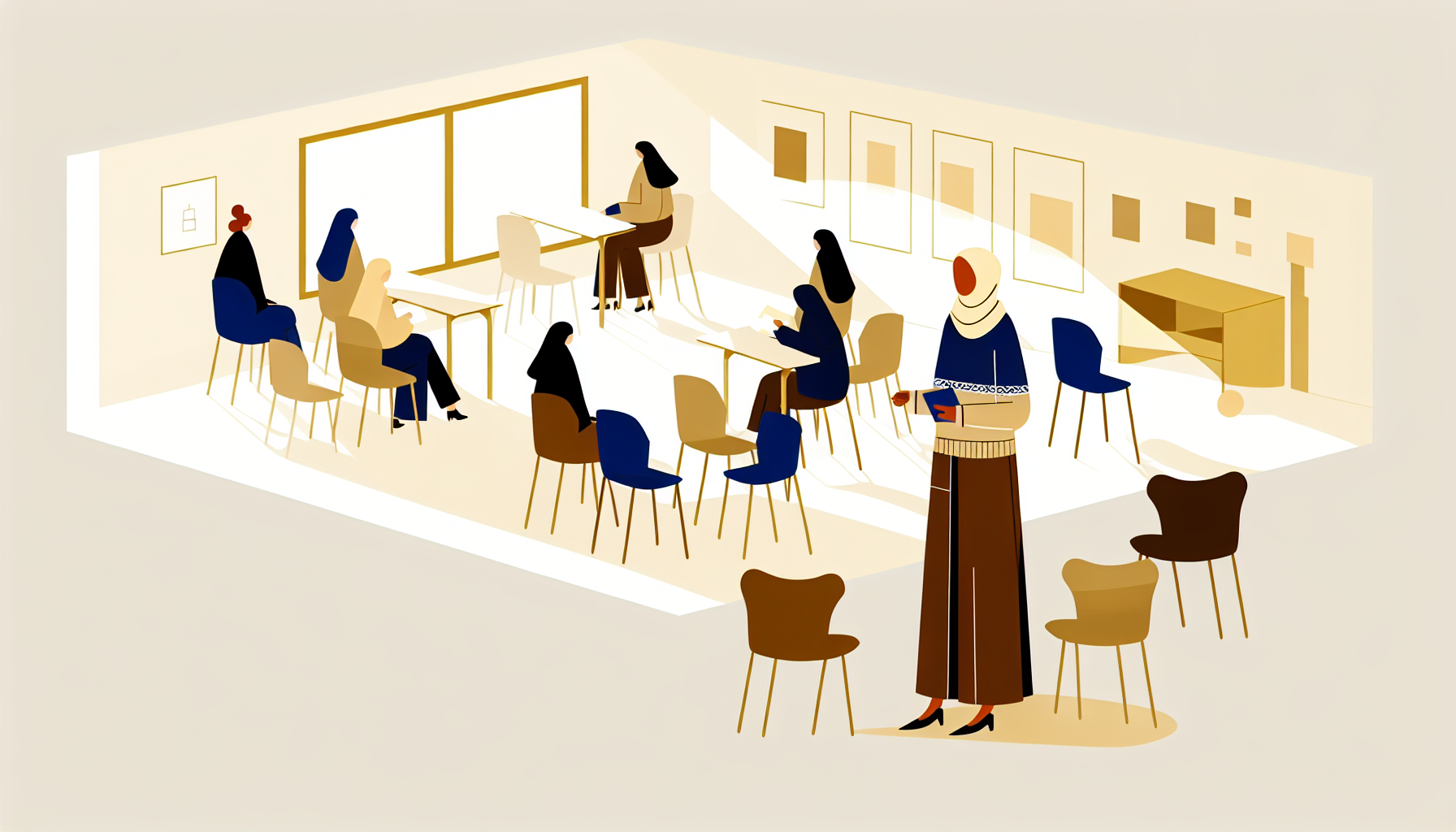
The workshop was set for 9:00 AM, but by 8:47 AM, the real story had already unfolded. Not officially, of course—participants would still show up, endure the session, and leave. But the outcome was already sealed in those frantic last minutes. The facilitator realized the room was set up like a lecture hall instead of a collaborative space. The markers were dried out, and the executive sponsor casually dropped a bombshell about a major strategy shift. This is a scenario any seasoned facilitator dreads. The secret they know? The most vital 90 minutes of any workshop occur before a single participant steps through the door. For tips on what to do when the room fills up, check out our complete guide on how to facilitate a workshop.
Why the 90-Minute Window Determines Your Workshop's Success
What sets apart adequate facilitation from truly exceptional facilitation is the prep work that participants never see but always feel.
According to IAF research, failure to adapt to group dynamics is a top reason workshops flop—more than poor structural design. The prep window is when savvy facilitators spot and fix potential issues, turning potential mishaps into smooth experiences.
And there's science behind it. Neuroscience reveals that facilitators who arrive early and stick to a pre-workshop routine report significantly lower stress levels, leading to sharper decision-making and better adaptability. When you're not scrambling to fix avoidable problems, you can focus on reading the room and guiding participants to meaningful insights.
So, why specifically 90 minutes? It’s the minimum needed for setting up the space, checking tech, aligning with stakeholders, and arriving at the right mental state for effective facilitation—without feeling rushed or mentally drained.
A 2022 study by the Facilitation Impact Network found that workshops with at least 75 minutes of prep time saw much higher participant satisfaction than those with little preparation. Yet many facilitators still show up just minutes before, relying on experience to wing it.
Take Sarah Chen, a strategy consultant at a Fortune 500 company. After a disastrous session where she arrived only 20 minutes early and found everything in chaos, she now ensures a 90-minute prep window. Her workshop effectiveness scores jumped from 3.2 to 4.7 out of 5. "The work no one sees is the work that makes everything possible," she insists.
The Physical Setup: Designing a Space for Engaged Minds
Your first task in those 90 minutes is to shape the environment. The room isn't a blank slate—it actively influences how people think and interact.
Research on spatial psychology shows that room layout affects participation. U-shaped seating boosts participation compared to traditional rows, while reducing perceived power gaps. Most corporate rooms default to lecture formats, stifling the collaborative spirit workshops need.
Design thinking facilitator Marcus Williams gets to client sites 75 minutes early to arrange furniture, check sightlines, adjust lighting, and tweak room temperature. His clients often cite the professional setup as a reason for bringing him back.
The Environmental Checklist
Experienced facilitators check environmental factors under real conditions. What feels fine in an empty room might change with 20 people packed in. A study by Steelcase found workshops with adjustable lighting and temperature controls had higher engagement, but only if facilitators arrived early enough to optimize these settings.
A critical step often missed is viewing the room from the participants' eyes. Sit in different seats to check sightlines to screens and the facilitator. Can everyone see and be seen? Research shows 67% of participants judge session quality based on the environment they encounter when they arrive, making room setup vital yet often overlooked.
The Technology and Materials Audit: Staying One Step Ahead
Tech failures top the list of workshop interruptions. The silver lining? A pre-workshop tech check can drastically cut down on issues.
Industry research indicates that workshops lose about 11.5 minutes to tech issues on average. Facilitators who conduct thorough tech audits reclaim nearly 10 minutes of productive time—and preserve credibility.
Beyond Presence to Functionality
Checking materials isn't just about ensuring they're there; it's about testing them. Dry-erase markers might not work on all surfaces, sticky notes might not stick to all walls, and digital tools must be checked on the actual accounts used during the session.
Innovation facilitator Jessica Park learned the importance of backups when a power outage struck mid-workshop. Her foresight in preparing paper versions of digital exercises saved the day. The executive sponsor later praised her adaptability, a skill they wanted to instill in their team.
A 2023 survey found that while most facilitators carry backup materials, less than half test these backups beforehand. Simply having backups isn't enough—you need to ensure they work and practice switching to them.
Stakeholder Alignment: The Conversation That Prevents Chaos
Never underestimate the power of a pre-workshop chat with stakeholders. This 10-15 minute conversation can uncover changes that might otherwise catch you off guard.
Research from executive programs shows that workshops with a stakeholder chat just before the start are nearly 50% more likely to meet objectives than those relying solely on earlier planning. This is because a significant portion of misalignments stem from objectives changing shortly before the session.
Change management facilitator Robert Kim always schedules a chat with the executive sponsor an hour before starting. Once, this revealed a brewing conflict between two participants, allowing him to adjust his approach and create a safe environment for discussion, ultimately leading to breakthroughs that wouldn't have been possible otherwise.
Reading the Pre-Session Scene
Pre-session observations can reveal power dynamics and political nuances. Noticing who arrives early and how they interact provides valuable insight for real-time facilitation decisions. The 90-minute window lets you gather this intelligence naturally.
Confirming logistics with stakeholders turns them from passive observers to active collaborators. This brief interaction can shift a sponsor's involvement from detached to deeply engaged.
The Facilitator's Mental Preparation: Getting in the Zone
All the physical prep is meaningless if you enter the room feeling scattered or anxious. The last piece of the 90-minute window is your own mental readiness.
Cognitive research shows facilitators perform best in a state of relaxed alertness, with high focus and low anxiety. The 90-minute prep time allows for mental techniques like visualization and breathing exercises to get you there.
A study of professional facilitators found those who spent at least 10 minutes on mental prep reported better handling of group dynamics and higher confidence in unexpected situations. Yet, mental preparation is often the first thing to go when time gets tight.
The Psychological Transition
Top facilitators use this time to shift from their last meeting into facilitator mode. This psychological boundary is crucial because facilitation demands a unique mindset—alert, empathetic, and adaptable.
Linda Torres, a corporate facilitator, developed a pre-workshop routine to improve her performance. Her routine includes breathing exercises, reviewing participant profiles, and a quick movement session to boost energy. She tracks her effectiveness and sees a consistent link between her routine and high workshop ratings.
Mentally rehearsing difficult scenarios improves your in-session responses. Sports psychology shows mental rehearsals activate the same brain pathways as physical practice, better preparing facilitators for real-life challenges.
The 90-Minute Countdown: A Practical Framework
With these elements in mind, here's how to structure your 90 minutes for maximum impact.
Experienced facilitators use a time-blocked approach, assigning specific durations to each prep area. This reduces mental strain and prevents decision fatigue before the workshop even starts. Studies of expert facilitators show they spend roughly 35% of prep time on setup, 25% on tech and materials, 20% on stakeholder touchpoints, 15% on mental prep, and 5% on last-minute tweaks.
Timing Is Everything
Management consultant David Reeves developed a detailed 90-minute checklist after forgetting to arrange lunch during a crucial session. His framework now includes:
90-75 minutes: Initial room walkthrough and layout adjustments. Test acoustics, fix spatial issues, and arrange furniture for interaction.
75-55 minutes: Distribute materials and set up tech. Position flip charts, supply tables, connect devices, load presentations.
55-40 minutes: Tech testing, including backups. Check screen sharing, audio, interactive tools, and verify backup plans.
40-25 minutes: Greet early arrivals and align with stakeholders. Have crucial sponsor conversations, observe early dynamics, and adjust as needed.
25-10 minutes: Final room checks and mental prep. Walk the space again, review your opening, and center yourself emotionally and cognitively.
10-0 minutes: Welcome participants and gauge group energy. Be at the door, greet individuals, and assess the collective mood.
David’s team now uses this framework, and those who follow it report fewer forgotten elements and less pre-session stress than those who wing it.
The key is building in buffer time. Plan for structured prep and reserve time for unexpected issues. Something will always need tweaking—that's not poor planning, it's the nature of complex environments.
The Work Behind the Scenes
Craft your own 90-minute pre-workshop protocol for your next session. Document what works, what doesn’t, and refine it each time. The behind-the-scenes work might not be glamorous, but it’s what turns an adequate session into a truly transformative one.
Start tomorrow: block out 90 minutes before your next workshop, follow this framework, and watch how differently things unfold. Your future self, your participants, and your stakeholders will be glad you did.
💡 Tip: Try Workshop Weaver free for 7 days. No credit card required.
Start free