Comment ouvrir vos ateliers avec des activités d'échauffement adaptées aux professionnels expérimentés et aux groupes sous pression temporelle — une approche fondée sur des principes plutôt que sur des listes d'activités.
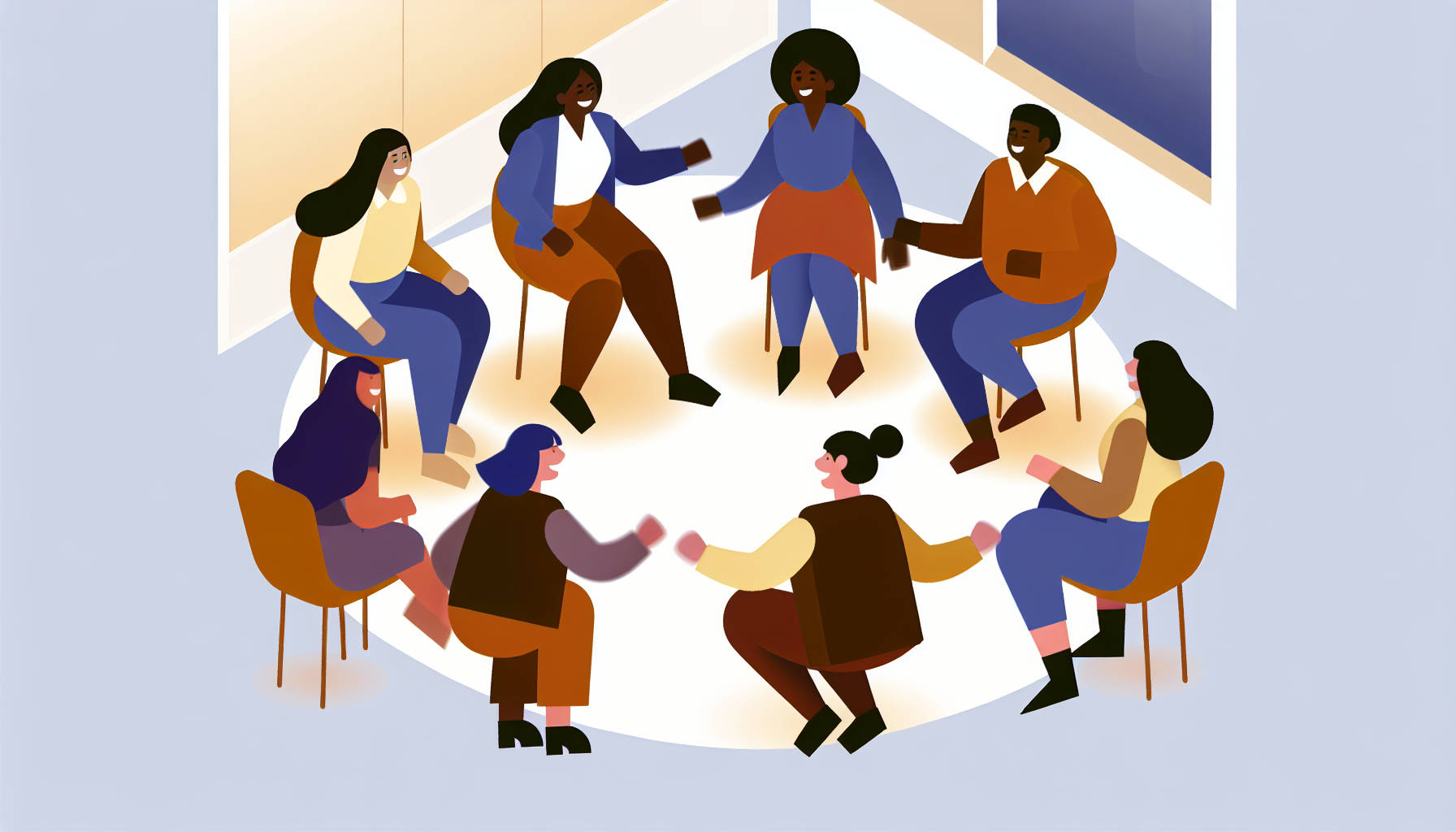
L'atelier n'a même pas encore démarré, et vous sentez déjà la salle vous échapper. Deux cadres sont vissés à leurs téléphones, la directrice financière vient de regarder sa montre, et vous êtes encore en train d'expliquer le « Human Bingo ». Soyons honnêtes : votre brise-glace est peut-être ce qui est en train de torpiller votre session avant même qu'elle commence.
Voilà la vérité qui dérange : les activités qui enchantent les équipes débutantes peuvent vous couler avec des professionnels aguerris. Dans le climat des affaires actuel, vous avez environ trois minutes pour prouver que votre animation vaut leur temps. Réussissez le démarrage, et tout le reste de l'animation d'un atelier devient bien plus facile.
Pourquoi les brise-glace traditionnels tombent à plat face aux professionnels
Il y a une raison pour laquelle la directrice financière regarde sa montre. Des recherches de la Harvard Business Review confirment ce que les facilitateurs chevronnés savent déjà : les adultes s'engagent mieux quand les activités sont directement liées à leur travail. Demander à une salle de directeurs de jouer aux « Deux vérités et un mensonge » ? Ce n'est pas créer du lien — c'est semer la confusion.
Les professionnels seniors arrivent avec une expérience étendue et un sens aiguisé pour juger si votre atelier vaut leur temps. Selon McKinsey, les dirigeants valorisent leur temps à un coût élevé. Consacrez 15 minutes à des scénarios « Île déserte », et vous ne faites pas que perdre du temps — vous risquez de perdre des milliers d'euros en valeur perçue.
Les retombées peuvent être brutales. Une équipe dirigeante d'un grand groupe industriel a quitté une session lorsque le consultant a démarré avec un brise-glace sur l'île déserte. Le directeur des opérations a déclaré ensuite : « Nous étions là pour résoudre un problème à 50 millions d'euros. Ce brise-glace était une insulte. » Ils ont renvoyé le consultant.
Les données confirment ces histoires. En 2019, l'Association for Talent Development a constaté que 64 % des participants considéraient les brise-glace traditionnels comme « de faible valeur » dans les sessions avec des collaborateurs expérimentés. Et la d.school de Stanford a noté que les professionnels seniors n'ont besoin que de quelques minutes pour juger si une activité mérite leur attention. Votre ouverture est bien plus qu'un échauffement : c'est votre audition pour le reste de la journée.
Principes fondamentaux pour les activités d'échauffement professionnelles
Qu'est-ce qui fonctionne vraiment ? Les démarrages efficaces pour les professionnels ne visent pas le divertissement — ils visent la stratégie. Voici trois principes qui distinguent les activités qui respectent l'intelligence de celles qui ne le font pas.
Principe 1 : Pertinence immédiate
Votre ouverture doit établir un lien avec l'objectif central de l'atelier immédiatement. David Sibbet de The Grove Consultants appelle ces activités des « exercices de seuil » — ils font passer les participants de leurs préoccupations extérieures à la focale de l'atelier.
Il ne s'agit pas de forcer la pertinence. Une entreprise de cybersécurité commence ses ateliers d'évaluation des risques en demandant aux RSSI de noter leur principale préoccupation en 90 secondes. Ces notes sont regroupées en temps réel pour structurer l'agenda. Cinq minutes plus tard, vous faites déjà du vrai travail.
Principe 2 : Respect intellectuel
Calibrez votre ouverture sur le niveau cognitif que vos participants utilisent au quotidien. Des recherches de la MIT Sloan Management Review montrent que l'engagement augmente quand les échauffements exigent la réflexion stratégique que les participants appliquent dans leur travail.
Bannissez tout ce qui semble élémentaire. Si vos participants prennent des décisions qui impactent des millions, votre ouverture doit le refléter. La professeure Teresa Amabile de Harvard a constaté que les activités sur le « travail significatif » augmentent l'engagement de 43 % par rapport aux exercices sociaux.
Principe 3 : Finalité visible
La clarté crée la confiance. Quand vous expliquez pourquoi vous faites quelque chose, le scepticisme s'effondre. Priya Parker note dans « L'art de se réunir » que nommer la finalité augmente significativement l'adhésion.
Ce n'est pas une question de longues justifications. Un simple « Nous allons faire des échanges en binôme pour que chacun puisse réfléchir à voix haute avant de traiter le sujet en groupe » montre l'intention. Vous avez conçu cela — ce n'est pas un brise-glace pris au hasard.
L'International Association of Facilitators a constaté que les brise-glace pertinents liés aux objectifs obtiennent 89 % de retours positifs contre 34 % pour les génériques. Si vous ne pouvez pas expliquer pourquoi une activité est utile, vos participants non plus.
Aligner les ouvertures sur les objectifs de l'atelier
Les meilleures activités d'échauffement professionnelles ne sont pas des brise-glace — ce sont du vrai travail déguisé. Elles génèrent des insights ou des matériaux que l'atelier va utiliser.
Prenez une session de stratégie exécutive pour un groupe de santé. Elle a démarré en demandant à chaque membre du comité de direction de placer un post-it sur une frise chronologique pour indiquer où il pensait que l'organisation en était dans sa transformation numérique. La directrice marketing a dit 70 % d'avancement, le directeur des systèmes d'information 25 %. Cette tâche de cinq minutes a révélé un désalignement critique et a posé les bases du travail de la journée.
L'expert en facilitation Sam Kaner, dans « Facilitator's Guide to Participatory Decision-Making », défend cette approche. Une analyse de 2021 portant sur plus de 200 ateliers d'entreprise menée par Voltage Control a montré que les ouvertures directement liées aux livrables entraînaient une plus grande satisfaction et une meilleure mise en œuvre des plans d'action.
Les démarrages centrés sur le contenu permettent aussi aux participants de faire valoir leur expertise dès le début — important pour les professionnels seniors qui valorisent la compétence. Quand vous leur permettez de contribuer de manière significative dès le départ, vous construisez la confiance dans le processus et dans votre capacité à mobiliser leurs connaissances.
Techniques efficaces pour les agendas chargés
Voici une règle d'or : les brise-glace professionnels ne devraient pas durer plus de 5 minutes pour les petits groupes, ou 7 à 10 minutes pour les plus grands. Au-delà, vous risquez de perdre votre audience.
L'astuce, c'est la densité — intégrer plusieurs fonctions dans un temps court. Les introductions traditionnelles durent en moyenne 2,3 minutes par personne. Pour un groupe de 15 personnes, c'est 34 minutes — souvent un quart d'une demi-journée consacrée aux seules présentations.
Le traitement en parallèle change tout. Au lieu d'attendre son tour, les échanges structurés en binôme ou en petits groupes engagent tout le monde simultanément. Le Journal of Applied Behavioral Science a constaté que ces techniques créent du lien en 40 % du temps habituel.
Une société de capital-risque a transformé ses sessions avec un « mot de départ ». Chaque participant partage un mot sur son état du moment pendant que le facilitateur construit un agenda de travail à partir des thèmes. Quatre-vingt-dix secondes pour 10 personnes font le travail d'une mise en route de 20 minutes.
Fusionnez l'échauffement et la logistique pour éviter une « parenthèse brise-glace » séparée. Pendant la présentation du programme ou des supports, posez des questions d'engagement qui font double emploi. Cela signale une conception soignée de chaque minute de l'atelier.
Lire la salle et s'adapter en temps réel
Les facilitateurs professionnels ne comptent pas sur une seule activité d'ouverture — ils ont plusieurs options et s'adaptent en fonction de l'énergie de la salle.
Le langage corporel, la ponctualité, l'utilisation des appareils et les échanges informels sont autant d'indices sur l'énergie du groupe. Une étude sur 150 ateliers transversaux a montré que les facilitateurs qui ajustaient leur ouverture en fonction d'une évaluation en temps réel avaient significativamente moins de participants désengagés dans la première demi-heure.
Une consultante a appris qu'une équipe venait d'apprendre l'acquisition d'un concurrent majeur. Elle a abandonné ses activités prévues pour une courte réflexion où chaque personne notait sa réaction immédiate et une question que cela soulevait. Cela a répondu à la préoccupation de la salle, validé leurs inquiétudes et transformé l'anxiété en discussion stratégique. Le client a attribué à ce pivot la réussite de la session.
Les dynamiques de pouvoir demandent de la vigilance. Ce qui fonctionne dans un groupe de pairs peut échouer dans des configurations hiérarchiques mixtes. La recherche montre que les menaces perçues sur le statut peuvent réduire drastiquement la participation. Les activités exposant des informations personnelles ou exigeant des compétences inhabituelles sont particulièrement problématiques dans ce contexte.
L'intelligence culturelle compte aussi. Ce qui est professionnel dans une culture peut sembler froid ou trop décontracté dans une autre. Les facilitateurs efficaces reconnaissent ces différences et proposent des voies d'engagement variées, non pas des activités uniformes.
Erreurs courantes qui sapent votre crédibilité
Même avec de bons principes, des erreurs d'exécution peuvent ruiner votre ouverture. Voici les pièges à éviter.
Trop expliquer tue l'élan. Prendre trop de temps pour expliquer une activité rapide signale une inefficacité. À la place, utilisez la technique « expliquer en faisant » — juste assez d'instructions pour démarrer, puis clarifiez par l'exemple. Les explications ne devraient pas durer plus longtemps que l'activité elle-même.
S'excuser sape votre ouverture. Dire « Je sais que les brise-glace peuvent sembler un peu niais, mais... » suggère que même vous doutez de sa valeur. Des enregistrements d'ateliers montrent que les excuses du facilitateur entraînent une participation plus faible et davantage de conversations parallèles. Michael Wilkinson de Leadership Strategies souligne que la confiance dans votre méthode est essentielle à l'adhésion des participants. Si vous ne pouvez pas défendre votre ouverture avec assurance, ne l'utilisez pas.
Confondre engagement sérieux et résistance crée une spirale descendante. Les professionnels seniors s'engagent souvent sérieusement plutôt qu'avec enthousiasme. Un facilitateur dans un cabinet de conseil en stratégie a organisé une chasse au trésor de 30 minutes lors d'un séminaire de directeurs. La participation minimale et les vérifications constantes des téléphones ont été mal interprétées comme de la résistance, provoquant une extension inutile. Les retours ont révélé que les participants trouvaient l'activité non pertinente et irrespectueuse de leur temps.
Des sondages montrent que 73 % des participants remarquent quand les facilitateurs semblent incertains de leurs méthodes. Cette incertitude peut faire baisser significativement les scores de satisfaction des ateliers.
L'ouverture stratégique : un cadre pour votre prochaine session
Repensons les brise-glace — non pas comme des maux nécessaires, mais comme des ouvertures stratégiques. Votre démarrage donne le ton pour vos compétences d'animation et les résultats de l'atelier.
Avant votre prochaine session, testez vos activités d'ouverture selon ces principes :
Pertinence immédiate : Les participants voient-ils le lien avec les objectifs de l'atelier en 30 secondes ? Si une explication est nécessaire après coup, ce n'est pas la bonne activité.
Respect intellectuel : L'activité correspond-elle à la complexité du travail quotidien des participants ? Si elle semble déplacée dans une réunion à enjeux élevés, c'est qu'elle ne passe pas le test.
Finalité visible : Pouvez-vous clairement expliquer pourquoi cette activité s'inscrit dans l'atelier ? Si votre explication est vague ou que vous ressentez le besoin de vous justifier, elle ne convient pas.
Repensez ou abandonnez toute ouverture qui ne répond pas à ces critères.
Arbre de décision rapide
Pour concevoir votre ouverture :
-
Quel est l'objectif de l'atelier ? Partez de là. Votre ouverture peut-elle lancer ce résultat ?
-
Combien de temps avez-vous ? Limitez à 5-7 minutes. Si c'est plus long, envisagez le traitement en parallèle ou réduisez.
-
Quelle est la dynamique de pouvoir ? Pour les configurations hiérarchiques mixtes, concentrez-vous sur du contenu où tout le monde a une expertise égale.
-
Quelle est l'énergie de la salle ? Ajustez-vous en fonction des signaux en temps réel, pas de votre plan préétabli.
-
Pouvez-vous le défendre ? Si ce n'est pas approprié pour un comité de direction, ce n'est pas approprié pour ceux dont le temps est tout aussi précieux.
Retenez ceci : Si vous n'utiliseriez pas votre brise-glace dans un conseil d'administration, ne l'utilisez pas avec ceux dont le temps est tout aussi précieux.
Les facilitateurs experts ne voient pas les ouvertures comme séparées du travail principal de l'atelier. Ils créent des expériences qui mènent directement à une implication significative. Bien faits, les participants ne remarqueront pas qu'ils ont été « échauffés » — ils sauront juste qu'ils sont déjà engagés dans un travail précieux.
À vous maintenant : Quelle est votre meilleure activité d'échauffement professionnelle ? Ou partagez votre pire brise-glace raté et ce que vous en avez appris. La communauté Workshop Weaver se nourrit des succès et des échecs partagés. Racontez-nous votre histoire dans les commentaires ci-dessous.
💡 Astuce : Essayez Workshop Weaver gratuitement pendant 7 jours. Pas de carte bancaire requise.
Commencer l'essai gratuit