AI tools are transforming workshop design from blank-page creation to editorial refinement. Discover how facilitators are redefining their expertise as curators and editors.
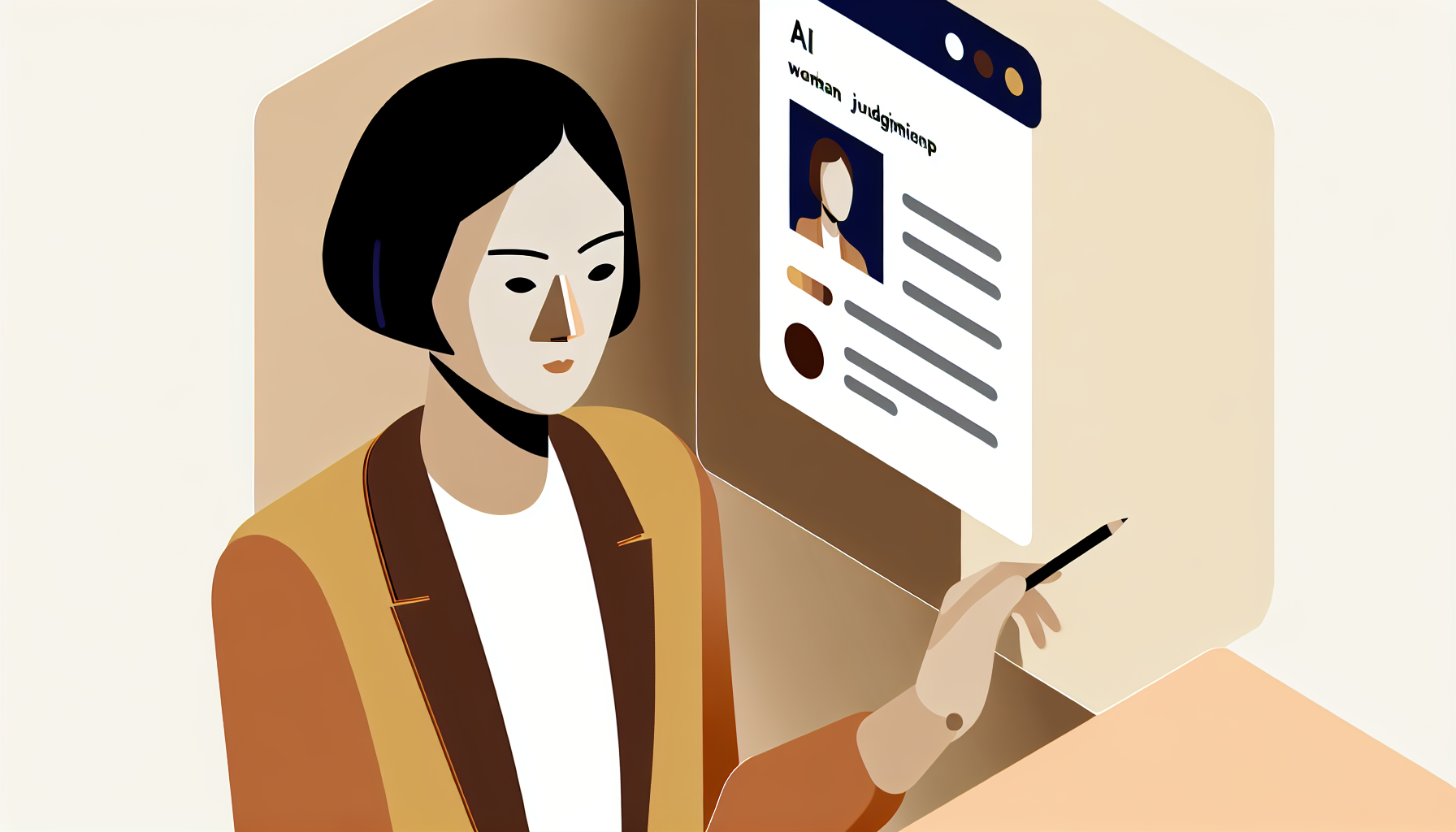
What if you could bypass the dreaded blank page forever? For facilitators, the old headache of crafting a workshop from scratch is morphing into a new challenge: mastering the art of editing AI-generated drafts. This isn't about losing our jobs to machines; it's about redefining facilitation expertise when the first draft of an agenda arrives in seconds, not hours.
The traditional workshop design process—blank slates, sticky notes, endless iterations—is being revolutionized. With tools like Workshop Weaver, facilitators are shifting from creators to editors-in-chief. It's not about starting from zero anymore; it's about sharpening what's already there.
The Editorial Shift: From Blank Canvas to First Draft
For years, facilitators invested a bulk of their time into creating initial agendas. Today, AI drafts flip that script, reducing generation time to a fraction, while demanding more from our editorial skills. This mirrors the role editors play in publishing—refining rather than writing.
It's not limited to facilitation. MIT Sloan research indicates AI can cut initial draft time significantly, but only if we hone our editing skills. The same trend appears across creative fields: value has shifted from production to judgment.
Consider the example of Sarah Chen, a leadership development facilitator. She inputs client details into ChatGPT and, in two minutes, gets a draft agenda. Then she spends 90 minutes tweaking it—removing generic activities, adding unique frameworks, and adjusting timing. Her prep time slashed from six hours to two, and client satisfaction stayed high.
This shift in focus—from generating ideas to exercising judgment—parallels developments in other fields. Much like how code review trumps raw coding, or how art direction exceeds initial design work, facilitators are now editors.
The Core Skills of the Facilitator-Editor
So, what makes a great editor of AI-generated content? The skill set is distinct and, in some ways, more demanding than traditional design expertise.
Facilitators need a keen eye to spot what doesn't work in AI drafts. They cut out generic icebreakers that won't resonate, adjust pacing based on experience, and insert the tension AI tends to gloss over. They ensure activities lead to real transformation, not just engagement.
An ability to recognize patterns is crucial. Experienced facilitators can tell when AI is playing it safe versus when it's being creative. This mirrors how editors distinguish between formulaic and fresh writing—an intuition built over time.
Communicating nuanced design needs to AI is also key. Stanford's Human-Centered AI Institute highlights that prompt engineering skills significantly impact output quality. Facilitators like Marcus Rodriguez use tailored prompts to guide AI, saving time and producing more relevant results.
A 2024 survey by SessionLab found that while many facilitators use AI, satisfaction with unedited outputs is low. This indicates that editing skills are now the primary differentiator.
Time Reallocation: What Facilitators Do With Reclaimed Hours
The time saved on initial agenda creation is a gift. Leading facilitators are using it to deepen client relationships, research industry challenges, and refine their facilitation skills.
This shift is akin to photography's digital revolution, where less time in the darkroom meant more on creativity and vision. Facilitators are now spending less time on mechanical tasks and more on relationships and developing unique methodologies.
According to the International Association of Facilitators, those using AI tools are spending more time on stakeholder interviews and context gathering, leading to better client retention.
The paradox here is that AI speeds up routine tasks, but raises the bar for excellence. Clients expect more customization and preparation, pushing facilitators to reinvest time into differentiation, not just volume.
Priya Anand, an innovation workshop designer, has revamped her business model with AI tools. By reducing her workload and enhancing client discovery, her revenue increased despite fewer workshops, thanks to perceived higher value.
Deloitte's Future of Work report reveals that professionals using AI save time but often reinvest it into skill development and relationship building, rather than just boosting billable hours.
The Economics of AI-Assisted Workshop Design
Value-based pricing becomes stronger when facilitators are seen as editors rather than mere producers. Clients pay for expertise and outcomes, not hours spent drafting agendas. This mirrors consulting firms' value-based pricing approach, especially as AI cuts production time.
We're seeing a market split. Commoditized services compete on speed and cost with minimal customization. Premium facilitators use AI for deeper personalization while maintaining margins. The middle ground faces pressure.
PricewaterhouseCoopers found that firms using AI tools improved profit margins, but the degree varied. Those maintaining pricing while cutting costs saw significant gains, while those lowering prices faced commoditization.
Deciding how to reinvest time savings is crucial. Those who pocket savings may win short-term, but risk losing out as competitors enhance client experiences. Investing in capability building and relationship depth is key to capturing premium market positioning.
Voltage Control transitioned to outcome-based packages after adopting AI, increasing standard workshop prices while reducing delivery costs. Their close rate improved significantly by focusing on transformative experiences rather than time spent.
Research from Wharton School suggests AI amplifies existing expertise, enhancing the output quality for top performers while offering less benefit to the rest, underlining the importance of expertise.
What the Editor Cannot Delegate: The Irreducible Human Core
Some facilitation skills remain inherently human. Reading a room, sensing group dynamics, and reacting to unspoken tensions can't be delegated to AI. While AI can suggest structures, it can't navigate the human elements critical for workshop success.
The editor model highlights our core value: deep client knowledge, industry expertise, and the ability to foster meaningful conversations. These are areas where AI falls short and where clients see real value.
A Journal of Organizational Behavior study found that facilitator adaptability is a key factor in session effectiveness, more so than agenda design. This emphasizes the importance of execution expertise.
In one workshop, facilitator James Park recognized toxic dynamics early and pivoted from the AI-generated agenda, using his experience to guide the session to a productive outcome. The AI provided a starting point, but his judgment was critical to success.
There's a risk of over-relying on AI—facilitators must maintain their instincts. The strongest practitioners use AI as a collaborator, not a crutch, much like pilots use autopilot but remain vigilant.
Practical Implementation: Developing Your Editorial Practice
Building an effective AI-assisted workflow takes experimentation. Start by using AI for lower-stakes workshops and create quality rubrics to evaluate outputs. Develop prompt templates that reflect your facilitation style, and learn from before-and-after examples.
Facilitators should develop strong prompt engineering skills and editorial judgment. Treat AI literacy as essential, like previous generations learned PowerPoint or Miro. Invest regular time in practice.
LinkedIn's Workplace Learning Report highlights AI literacy as a rapidly growing skill, with many professionals planning to boost AI skills training. Those who engage in AI training adopt tools faster.
Peer groups can accelerate learning. Sharing prompts and critiquing AI-edited agendas in communities offers faster learning than going it alone. The skill of editing is best learned socially.
The Facilitation Lab offers peer learning sessions where members critique AI-generated agendas. Participants find this collaborative approach invaluable for developing editorial judgment.
A Georgetown University study found that structured practice with AI tools leads to faster proficiency, and peer collaboration significantly boosts this process.
The Editorial Era Has Begun
The shift from creator to editor is already happening. The question isn't if AI will change workshop design, but how you can use it to elevate your practice.
Start small: use AI to draft your next agenda, then spend time refining it. Focus on what you change and why. This editorial judgment is your competitive edge.
The facilitators who succeed will have the keenest editorial eye and the deepest human judgment. The blank page era is over. The editorial era is here. How will you wield your red pen?
💡 Tip: Try Workshop Weaver free for 7 days. No credit card required.
Start free