This article examines what happens in the three days after a workshop ends and why this window determines whether outcomes stick or dissolve. It presents a practical 72-hour follow-up protocol for professional facilitators.
The standing ovation is over, the flip charts are stashed away, and your participants leave buzzing with ideas and plans—but here's the uncomfortable truth: you have just 72 hours to ensure this workshop sparks real change rather than becoming just another memory of a conference room with a faint smell of coffee and markers.
Many facilitators think their job ends when the participants exit. They're mistaken. The real effort of workshop follow-up kicks in the moment the session wraps up. What you do in the next three days will decide if your carefully crafted experience leads to measurable results or fades into organizational folklore.
Why the 72-Hour Window Matters
This timeline isn't just a hunch—it's based on how our brains work. The Ebbinghaus Forgetting Curve is a key concept in cognitive psychology, showing that we forget about 70% of new information within 24 hours if it's not reinforced, and more by the end of the week. Participants might leave with insights, but without follow-up, those moments start to fade fast.
The spacing effect gives us hope: follow-up within the first 72 hours significantly boosts long-term retention. The brain needs repeated activation of neural pathways during this period to transfer information to long-term memory. When you send that Day 2 resource email or Day 3 accountability prompt, you're not just being diligent—you're actively helping your participants retain information.
Without follow-up, only a small percentage of workshop content is applied on the job. With structured follow-up, application rates can soar. Research by the Corporate Executive Board on learning transfer indicates that structured follow-up within 72 hours can significantly boost implementation rates. The Association for Talent Development backs this up, finding learners are 3.5 times more likely to apply new skills with prompt follow-up.
A leadership development firm tracked two groups from identical workshops. Group A received follow-up within 72 hours; Group B got theirs a week later. Three months on, Group A had implemented workshop tools at a far higher rate than Group B. Delaying follow-up slashed effectiveness by more than half.
The Cost of Skipping Follow-Up
Let's face facts: skipping workshop follow-up is a massive missed opportunity. Insights become vague memories instead of actionable plans as participants dive back into their daily routines. That clear action item from a breakout session? It becomes "something about stakeholder engagement" by the week's end.
A survey of 1,500 workshop participants revealed that while most left with specific action plans, few could remember them clearly a week later without follow-up. The drive and urgency that fuel commitment during workshops vanish when participants return to their everyday environments.
Group energy, a key driver of workshop success, dissipates quickly. The collective commitment and social pressure that boost engagement during workshops often vanish when participants return to isolation. According to McKinsey research, initiatives that incorporate structured follow-up are far more likely to achieve sustained change.
Failing to follow up also impacts professional reputation. Clients judge facilitator professionalism and workshop ROI based on post-event communication. Workshops without prompt follow-up often seem like standalone events, not part of an ongoing change effort. Analysis of over 300 workshops shows facilitators who send immediate follow-up get significantly more referrals and repeat bookings.
Consider this: a strategic planning facilitator led a retreat for a nonprofit board. Despite the workshop's initial success, follow-up materials were sent three weeks late. Six months later, board members could recall the workshop but had implemented only a fraction of the discussed initiatives, citing a lack of clarity and momentum.
The 72-Hour Follow-Up Protocol
Effective workshop follow-up is more than a quick thank-you email. It's a structured protocol divided into three phases: immediate acknowledgment and documentation (0-24 hours), resource delivery and reinforcement (24-48 hours), and accountability activation and next-step clarification (48-72 hours).
The difference between amateurs and professionals is preparation. Effective facilitators plan their follow-up as part of the workshop design, ensuring they can execute promptly without scrambling post-event.
An experienced facilitator shared her system: she created a modular follow-up approach with templated emails, tailored resource packages, and automated scheduling for check-ins. Preparing most materials in advance reduced her follow-up time from six hours to 90 minutes, while boosting client satisfaction by 40%.
Facilitators using structured follow-up report much higher completion rates than those relying on ad hoc methods.
Day 1: Capture and Confirm (0-24 Hours)
Send a thank-you message within a few hours that acknowledges contributions, reinforces insights, and promises specific deliverables. This prompt communication leverages post-workshop energy and shows you care.
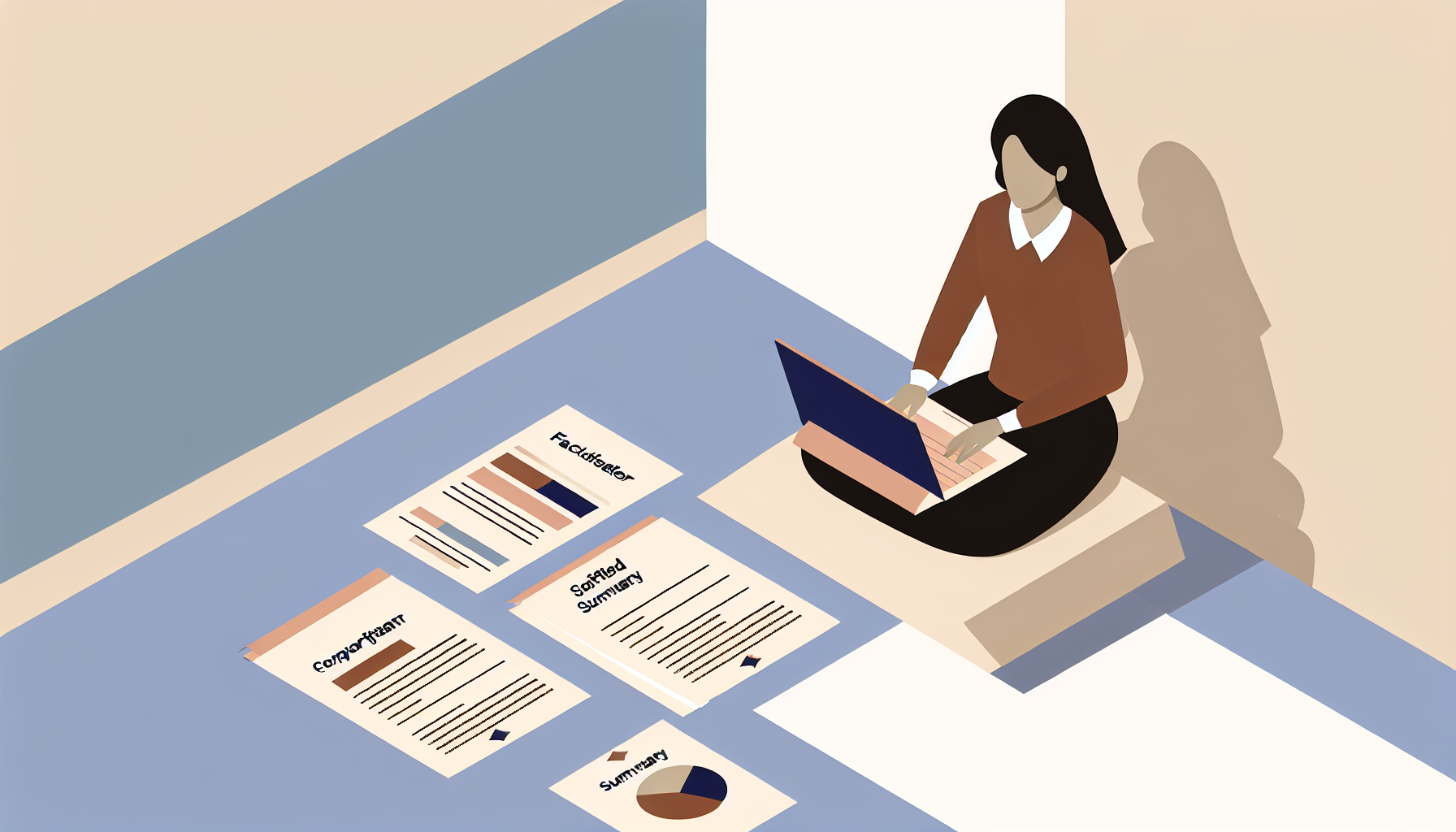
Don't stop there. Deliver a visual summary or document capturing the workshop's key outputs: decisions, action items, frameworks, and commitments. This becomes the go-to reference, preventing the workshop from becoming a blur of activities.
Participants who receive a visual summary within 24 hours are much more likely to share insights with colleagues, expanding the workshop's impact beyond attendees, according to the NeuroLeadership Institute.
I once facilitated a product strategy workshop for a tech company and sent a one-page visual summary that evening, highlighting strategic priorities, decisions, and assignments. The CEO forwarded it to the leadership team, and it became the execution guide for the next quarter.
Most importantly, confirm who owns which action items with clear next steps. Ambiguity about accountability is a major reason workshop commitments fail.
Day 2: Resources and Reflection (24-48 Hours)
Provide the resources participants need to act on workshop insights: templates, reading materials, tool guides, or relevant case studies. These should be curated rather than overwhelming.
A change management facilitator created specific resource packets delivered on Day 2, tailored to different roles. This targeted approach resulted in high resource utilization compared to a generic approach.
Participants receiving curated resources within 48 hours report much higher confidence in their ability to implement workshop concepts than those receiving later comprehensive resource dumps.
Include reflective prompts to help participants connect workshop content to their specific contexts. Facilitate peer connections to continue conversations. Workshops incorporating peer follow-up show higher sustained behavior change rates.
Day 3: Accountability and Next Steps (48-72 Hours)
Schedule checkpoint conversations or send prompts asking participants about their initial actions or challenges. Those who commit to an accountability check-in are much more likely to complete their primary action item promptly.
Address anticipated obstacles by naming common barriers and offering strategies. This normalizes difficulties and provides support before participants give up. Facilitators who do this receive far fewer confused or frustrated follow-up emails.
For instance, an innovation workshop facilitator sends a Day 3 email asking participants to share one action they've taken or plan to take. This simple prompt has a high response rate, creating a visible thread of commitment.
Tools for Consistent Execution
Your protocol means nothing if you can't execute it consistently. Use automation tools like email schedulers, CRM systems, or project management platforms to trigger sequenced communications based on workshop dates. Personalized follow-up messages have much higher open rates than generic ones.
Develop a follow-up asset library with templates for different workshops, roles, and contexts. This library is a resource that grows with each workshop, allowing you to refine language and incorporate feedback.
A facilitation firm created a follow-up dashboard in Airtable to track workshops and automate reminders for follow-up tasks. This system boosted follow-up consistency dramatically, and client testimonials praising follow-up increased.
Facilitators using structured systems report high protocol completion rates and significantly higher client satisfaction scores compared to those using ad-hoc approaches. Investing in follow-up systems increases client retention and referrals significantly.
Measuring and Improving Follow-Up
What you measure improves. Track engagement metrics like email open rates, resource downloads, and accountability prompt responses. Gather feedback through brief surveys at the two-week and two-month marks to learn what follow-up elements were most valuable.
One leadership facilitator tracked Day 2 resource usage by including unique download links. She found high engagement with video summaries and low engagement with workbooks, despite the workbooks taking longer to create. She adjusted her resource priorities, improving overall utilization significantly while cutting prep time.
Facilitators who measure follow-up effectiveness and iterate their protocols see significant year-over-year improvement in client outcomes. A simple follow-up survey two weeks post-workshop provides insights that improve satisfaction scores with each iteration.
Make Follow-Up Part of Your Craft
The 72-hour window isn't just about client deliverables. It's about your responsibility as a facilitator: fostering real change, not just memorable experiences.
Here's your task: Review your last three workshops and assess your follow-up quality honestly. Did you follow through within 72 hours? Did you provide clear documentation, relevant resources, and accountability structures? Or did enthusiasm dwindle as you moved on?
Commit to implementing one element of the protocol in your next facilitation. Start with Day 1 documentation if that's not consistent. Add Day 2 resources once it becomes routine. Aim for the complete protocol.
The three-day protocol above is the checklist: one action per day, with its timing and deliverable. Copy it into your own template before the next workshop, and read The Post-Workshop Void for what happens when the window closes without one.
Remember: Exceptional facilitation is about what participants do after they leave, not just what happens in the room. That transformation starts in the 72-hour window when memory is fresh and motivation is high. Don't let another workshop fade into good intentions and forgotten notes. The next 72 hours are crucial—and they will decide if you're providing temporary inspiration or lasting transformation.
💡 Tip: Try Workshop Weaver free for 7 days. No credit card required.
Start free