Most managers lack facilitation training but must run workshops anyway. AI-generated agendas provide the structure beginners need, freeing them to focus on the human skills that actually matter.
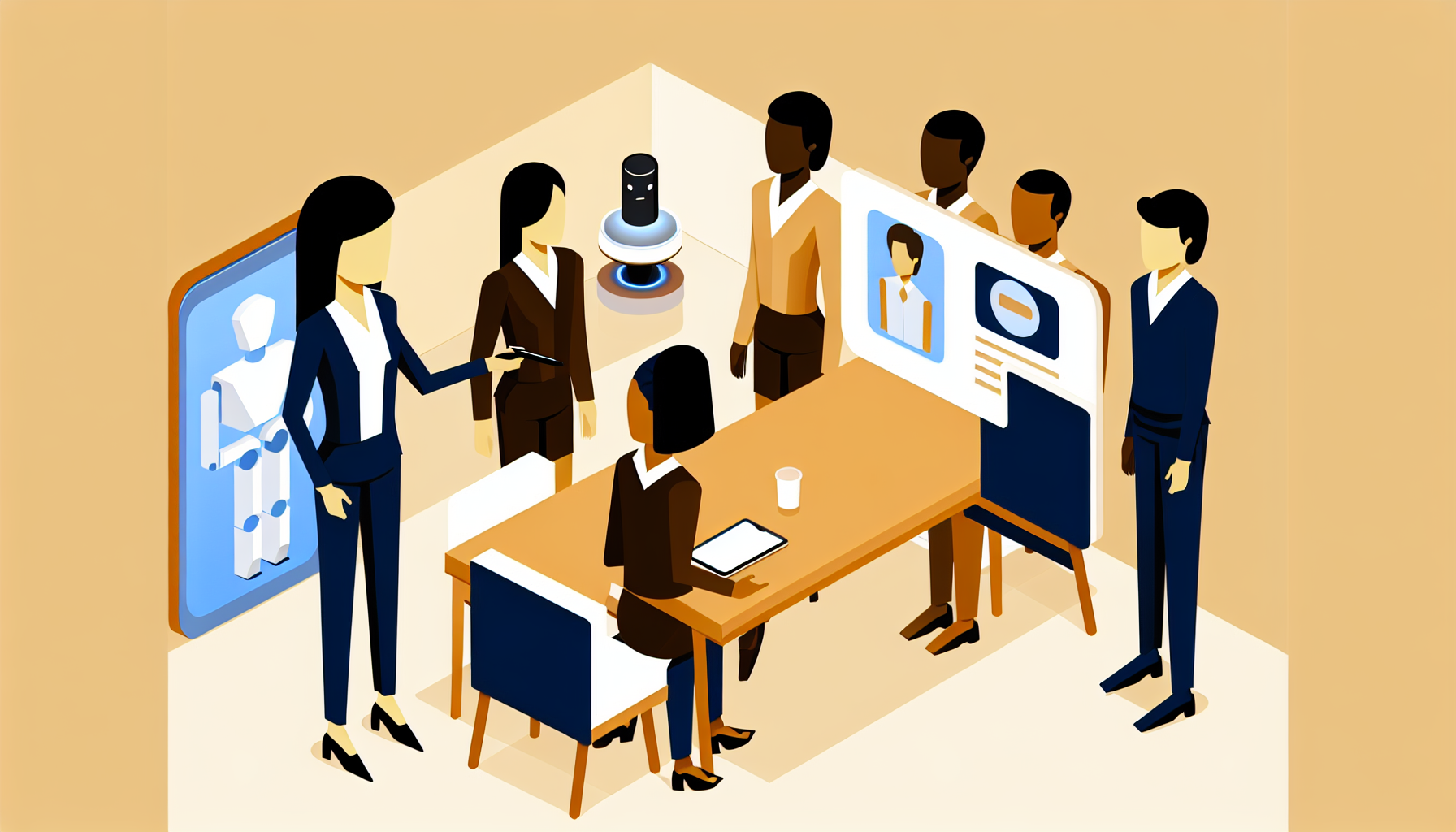
Every week, countless managers find themselves in front of a conference room, tasked with leading workshops they were never trained to design. They cling to rigid agendas, afraid to stray from them, and as a result, meetings often become time-sinks rather than productive sessions.
This isn't a question of intelligence or leadership ability. Many managers simply haven't been given the tools and training necessary to excel in facilitation. In our collaboration-heavy world, this skills gap is a costly oversight for many organizations. If you're seeking a thorough grounding, our facilitation guide is a great place to start.
Contrary to what you might think, AI-generated workshop frameworks can enhance a manager's facilitation skills by tackling the mechanics, allowing managers to hone in on the human elements that truly drive success.
The Facilitation Gap in Middle Management
Most managers end up facilitating workshops not because they’re naturally inclined or trained to lead group discussions, but because they excelled in their previous roles. Whether they were top-notch engineers or stellar salespeople, facilitation wasn't part of their original job description. Yet, once they move up the ladder, running workshops becomes unavoidable.
The nerves are understandable. The NeuroLeadership Institute reports that collaborative activities occupy over half of a knowledge worker's time, yet formal training on effective facilitation is rare. Managers are often thrown into strategy sessions and team workshops with only their past meeting experiences to guide them.
Take the product manager at a SaaS company who was thrust into facilitating a quarterly planning workshop. Lacking a facilitation background, she spent weeks on a 47-slide presentation, only to falter when an unplanned discussion arose. The session didn't fail due to a poor agenda — it failed because she couldn’t pivot to meet the group’s needs.
This scenario repeats in offices everywhere. Organizations depend on collaborative formats, yet they act as if facilitation skills will simply materialize out of thin air. The outcome? Meetings that frustrate and achieve little.
Workshop Design: The Confidence Saboteur
Facilitation comes with a steep learning curve. It demands both design know-how and the ability to adapt on the fly. New facilitators often obsess over designing the perfect agenda. It feels like something they can control: research activities, script transitions, plan every minute.
But this approach backfires. The more they invest in an airtight plan, the less responsive they become when reality diverges from their script. Over-preparation becomes a trap. Deviating from the plan feels like a failure.
Experienced facilitators, on the other hand, have a repertoire of activities they can draw from instinctively. The International Association of Facilitators notes that becoming adept at real-time facilitation typically takes years and hundreds of hours of practice. Expecting managers to reach this level instantly is unrealistic. Here's where AI offers a valuable assist.
AI: The Scaffold for New Facilitators
Platforms like Workshop Weaver are simplifying the facilitation process, removing the intimidation of a blank page. AI tools can now whip up structured agendas in seconds based on your goals, group size, and time limits.
This isn't about replacing human facilitators. It's about equipping managers to run effective sessions without needing to become facilitation gurus. By starting with a ready-made structure, managers can concentrate on how their team is engaging, rather than what to do next.
Tools like ChatGPT, Claude, and SessionLab allow managers to input a simple request like "Create a 90-minute workshop for 8 people to prioritize Q3 initiatives" and receive a detailed plan. This frees them to focus on energy levels and timing adjustments instead of being glued to a script.
The agenda becomes a hypothesis to explore, not a rigid path to follow. This shift is profound. Managers start to see their plan as a foundation to build upon, iterating based on group needs. AI handles the routine design work, opening up space for human judgment.
The Human Touch in Facilitation
The real art of facilitation isn't in choosing the right method but in observing the group. Professionals spend most of their time reading the room: who's participating, who's holding back, where the energy is waning, and when tensions are brewing. These skills are crucial and can’t be replicated by AI.
Key competencies for facilitators include:
- Interpreting body language and energy
- Balancing dominant voices without silencing them
- Ensuring quieter voices feel safe to contribute
- Knowing when a break or shift in focus is needed
- Identifying and addressing unspoken issues
Consider a team lead using an AI-generated agenda for a retrospective. When only a few people contribute to the "What went well" section, she pauses and invites input from quieter team members. This decision, not dictated by the AI, reveals crucial insights that would otherwise remain hidden.
The AI provides structure; her attention to group dynamics makes the session impactful.
Managing time and agendas is more advanced than it seems. Deciding when to cut a discussion short or when to deviate from the plan requires judgment informed by group context. No algorithm can make that call — it relies on the facilitator’s presence and understanding of the group’s needs.
Evolving from Scripts to Conversations
The aim isn't to make managers reliant on AI forever. It’s to help them navigate the initial stage of facilitation where lack of structure creates anxiety. With experience, managers recognize common patterns and rely less on scaffolding.
Facilitation development often progresses as follows:
- AI-generated script — Following the structure precisely, gaining confidence with small wins
- AI-generated outline with tweaks — Adjusting based on team context
- Self-designed agenda using familiar patterns — Creating agendas independently
- Improvisational facilitation — Adapting in real-time to the group's needs
Most managers need only reach level 3 for their roles. They're not aiming to become professional facilitators, just effective enough to run successful sessions.
A financial services firm adopted a "workshop apprenticeship" model, where managers used AI for monthly team check-ins. After six AI-assisted sessions with feedback, they moved to more complex planning meetings. Within a year, many were heavily customizing AI prompts and adding their own exercises, gaining intuition through structured practice.
Getting Started with AI-Assisted Facilitation
If you're a manager looking to improve your facilitation skills, here's a practical approach:
Create Clear Prompts
Start with specific prompts that outline all constraints: "Create a 60-minute workshop for 6 people to address customer onboarding issues, including breakout sessions and decision criteria." Vague prompts lead to vague agendas. Be clear about:
- Session length and fixed time limits
- Participant count and roles
- The exact outcome you need (ideas, decisions, alignment)
- Any cultural or procedural constraints
View AI Output as a First Draft
AI-generated agendas need reviewing. The technology might suggest a brainstorm that doesn’t fit your schedule or activities misaligned with your team culture. As noted by Liberating Structures, the human facilitator must adjust for context and practicality.
Try generating multiple agenda options with the same inputs. Compare, choose, or combine agendas, and add context notes about group dynamics or sensitivities the AI can't predict.
Develop Your Playbook
After each session, track what you used and what you skipped. Note successes and failures. Over time, you’ll recognize patterns — "This objective works well with small breakouts" or "This team needs more processing time."
Prompt AI to tweak based on real outcomes: "The brainstorm only generated a few ideas. Redesign this for a group new to ideation." This feedback loop speeds up learning beyond trial and error.
Building a Culture of Facilitation
By democratizing facilitation skills, organizations become more collaborative and less hierarchical. When any manager can effectively run a strategy session, you're not stuck relying on a few experts. Research from consultancies indicates that collaborative capability is a competitive edge, but only when it's widespread, not centralized.
Combining AI structure with human insight offers a new way to build soft skills at scale. Instead of costly multi-day workshops, companies can use AI tools with quick coaching on human aspects that technology misses.
A tech company with 200 managers replaced a two-day training with a self-paced program: AI tool access, a workshop on group dynamics, and monthly practice sessions. Six months in, manager-led retrospectives tripled. Facilitation consultants shifted from basic sessions to coaching on complex scenarios — a smarter use of expertise.
This approach accepts reality. Most managers won't become expert facilitators, nor should they. But they can become adept enough to lead effective team sessions, fulfilling their role requirements.
Embracing AI and Human Skills Together
Facilitation competence doesn't mean choosing between AI and human abilities — it means recognizing their complementary roles. AI provides the structured experience of seasoned facilitators. Humans offer the situational awareness that only comes from being with the group.
For too long, we've seen facilitation as either an esoteric art or an instinctive skill. Neither is true. Facilitation is a learnable craft that benefits greatly from structured support, especially early on.
By providing AI-generated agendas, we’re not fostering dependence — we’re instilling confidence. Instead of worrying over exercise choices, managers can focus on group dynamics like whether Sarah has spoken, if the team is ready to decide, or if silence indicates dissent.
Ready to Give It a Shot? Here's Your Template
The next time you need a workshop, use this prompt with your AI tool:
"Create a [duration] workshop for [number] people to [specific objective]. Include timing, materials, and facilitator notes. The group [includes relevant context about experience, relationships, or constraints]. I need [specific outcome] by session's end."
Before the session, prioritize your participant list. Consider:
- Who might dominate?
- Who might stay quiet but has important insights?
- What tensions could arise?
- Where might resistance occur?
- What unspoken concerns could surface?
This is where your judgment is key. AI provides the framework. You bring the awareness, sensitivity, and intelligence to make it work.
The aim isn't perfect facilitation. The aim is to create a space where your team can think and work together effectively. Technology handles the structure; you handle the people. And that’s how it should be.
💡 Tip: Try Workshop Weaver free for 7 days. No credit card required.
Start free