Time-blocking as both a design discipline and a client-facing communication tool. The agenda as your first deliverable and a signal of professional structure.
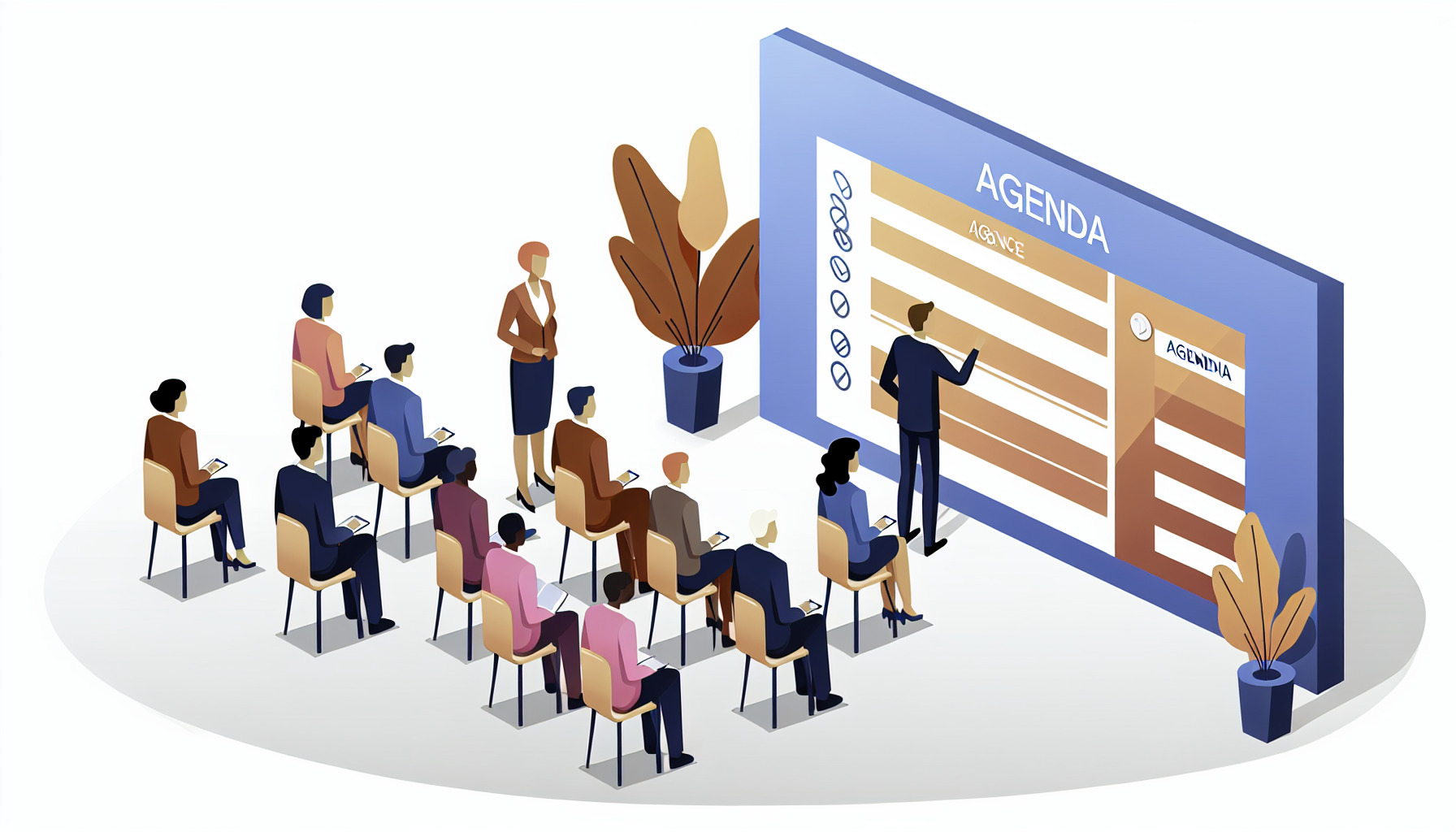
Before you even begin writing copy, analyzing keywords, or designing wireframes, you've made a commitment to your client. That commitment? It’s wrapped up in the 'Meeting Agenda' sitting in their inbox. This isn't just a reflection of professionalism; it’s a test of your intentions and integrity.
Too many consultants toss off the agenda as a last-minute chore—or worse, skip it altogether in favor of winging it. But if you want to rise above the mundane, recognize that your agenda is far more than a mere schedule. It's your initial deliverable, your first assurance, and your earliest shot at establishing trust.
The Agenda as Your First Deliverable: Setting Professional Expectations
Think back to when you received a well-crafted agenda before a meeting. It likely made you feel prepared and respected, boosting your confidence in the facilitator. Now, recall entering a meeting without an agenda—or with a hastily scribbled list sent minutes beforehand. That gut-wrenching feeling? That’s exactly what your clients experience when you skimp on this fundamental document.
An agenda is the first tangible item your clients receive, setting the stage for your reliability before any work begins. It shows you value their time and have a plan to tackle their challenges. As per Harvard Business Review, a lack of structured agendas makes most meetings feel unproductive. Stand out by being among those who get it right.
Meetings with agendas distributed ahead of time are notably more effective. Participants come prepared, ready to dive into the conversation with context and clarity. An agenda is essentially a mutual contract—you promise to guide them through a journey, and they agree to engage.
Consider this scenario: A digital marketing consultant sends out an SEO workshop agenda three days ahead. Clients arrive with pertinent questions, leading to actionable insights and a notable rise in contract renewals. The agenda wasn’t just a plan; it was a conversion tool.
Time-Blocking as Design Discipline: The Architecture of Attention
Many get this wrong, thinking time-blocking is just about dividing hours. It's not. It’s about intentional design, akin to user experience principles: mapping journeys, prioritizing, managing cognitive load.
Each segment in your agenda should fit into the overall narrative. Just as you wouldn’t clutter a homepage with unorganized information, don't structure a workshop without flow.
Time-blocking hinges on understanding how attention spans work. Research from Nature supports that our brains focus for around 90-120 minutes before needing a break. This isn't a suggestion—it's a design constraint you must respect.
One branding agency revamped their workshop agendas with design thinking. They used 25-minute work blocks, 5-minute transitions, and clear breakout sections. Client feedback soared, with participants feeling more in control of the session.
The Visual Language of Time
The way your agenda looks speaks volumes. Use white space, clear hierarchies, and realistic time estimates to show you understand the difference between aspiration and reality.
Studies show professionals who time-block are more productive and less stressed than those who rely on to-do lists. If it works for you, why not extend that trust-building technique to your clients?
Work-Behind-the-Work: Making Invisible Labor Visible
Here's a reality check: Only a fraction of your billable hours involve direct client interaction. The rest goes to research, strategy, and prep work—often unseen and undervalued.
This "work-behind-the-work" is the backbone of your expertise. Your agenda can make this visible, without coming off as self-congratulatory.
The agenda shows your prep methods and strategic thought process. By revealing this scaffolding, you educate clients on your expertise and justify your fees.
An SEO consultant added a "What I Did Before This Meeting" section to agendas, outlining hours of site audits and competitive analysis. This transparency cut pricing questions in half and boosted referrals as clients grasped the value they were buying.
Creating Shared Responsibility
Many consultants undervalue their preparation efforts. A detailed agenda makes this work visible, shifting client perception from buying time to buying expertise.
By including pre-work requirements, you turn clients into active participants, boosting their investment in outcomes. Agencies that document prep time see fewer scope creep issues and higher perceived value ratings.
Building Trust Through Temporal Transparency
Here's the acid test of your credibility: Can you accurately estimate how long a conversation will take? Specificity here shows confidence and experience, while vague timelines signal uncertainty.
Buffer time in agendas shows honest, realistic planning. Clients appreciate when you anticipate extended discussions rather than cramming everything into tight schedules. Data shows consultants who include buffer times deliver on schedule far more frequently.
The Compounding Interest of Reliability
Consistently sticking to promised timeframes builds trust incrementally. When your segments finish on time, clients take note, and their trust in you grows.
Research on trust indicates that small, consistent reliability signals have more impact than sporadic big gestures. Each honored time block is a promise kept, building trust piece by piece.
A content strategist used strict time-blocking with timers in workshops. Although it took some getting used to, clients felt more respected when sessions ended as promised. Retention rates climbed, with clients citing time respect as a key factor.
The SEO Workshop Agenda Template: A Framework for Authority
Let’s get practical. For SEO workshops, strategy sessions, or kickoffs, you need a flexible yet standardized agenda template. It should cover essential topics while being customizable for each client’s needs.
Effective SEO agendas balance core elements:
1. Education (Teaching Fundamentals)
Clients need to understand the basics. Spend 15-20 minutes sharing foundational concepts to create a common language.
2. Analysis (Reviewing Their Specific Situation)
Show your pre-work through specific data about their site, competitors, and opportunities. This proves you’ve done your homework.
3. Action Planning (Creating Next Steps)
Move from strategy to action. Dedicate time to outline concrete steps with clear ownership and timelines.
An SEO agency used a modular agenda template with segments covering business goals, competitive analysis, and more. Each was customized per client, allowing even junior consultants to deliver quality consistently. This template became a lead magnet, drawing in thousands of downloads and hundreds of leads.
Marketing consultants using standardized templates report faster proposal development and more consistent client engagement quality. It’s not about rigidity—it’s about having a solid structure you can adapt.
Agenda Communication: The Medium Is the Message
How you send your agenda is as important as its content. PDFs imply formality, Google Docs suggest flexibility, and project management tools show integration. Choose the medium that aligns with your brand.
Distribute agendas 3-5 days before meetings for optimal preparation. Research shows this timing leads to better retention and more substantive input during sessions.
A consulting firm tested agenda delivery: PDFs via email versus Notion pages with resources. The latter saw higher pre-meeting engagement and satisfaction. Interactive formats drive client investment before meetings even start.
Setting Interaction Expectations
Outline when to ask questions, take notes, or engage in discussions. This reduces cognitive load and helps participants prepare mentally for engagement modes. Surveys show clients see advance agendas as markers of professionalism.
Common Agenda Failures and How to Avoid Them
Nothing erodes trust faster than poor time management. Running over time, even with valuable content, signals disorganization and disrespect.
Client satisfaction drops sharply if meetings run significantly over. Always pad your time estimates and aim to finish early.
Vague agenda items like "Strategy Discussion" fail to show preparation. Specific phrases like "Analyzing Top Competitor Strategies" create anticipation for real insights.
A marketing consultant learned this lesson after a workshop ran over time, losing a client who doubted their management skills. By implementing time-blocking and buffers, they restored client trust and reduced complaints.
Flexibility Within Structure
Failing to adjust agendas based on feedback shows inflexibility. Keep your agenda dynamic, responding to client needs while maintaining order. Communicate changes proactively instead of apologizing later.
The Agenda Is Where Trust Begins
In summary, your agenda is not just admin fluff. It’s a strategic tool that communicates professionalism, showcases preparation, manages expectations, and builds trust before any insight is delivered.
Each agenda is a chance to prove you:
- Value client time with efficient planning
- Demonstrate expertise through visible preparation
- Manage expectations with realistic timelines
- Offer structure that reduces anxiety and increases focus
- Deliver on promises with reliable scheduling
The agenda is where trust begins, making it your most critical pre-work document. It's more than a schedule—it's a promise. Each time block you honor strengthens your foundation of reliability and transforms client relationships.
Your Next Steps
Here's your call-to-action: Create or download an seo-workshop-agenda-template this week. Implement it in your next engagement. Send it 3-5 days ahead. Time-block with buffers. Include visible pre-work. Watch how clients respond differently—in preparation, engagement, and trust.
Start treating your next agenda as your first deliverable, not an afterthought. You'll notice the transformation from the first interaction. While clients will later judge your strategic insights and execution, they’ll form their first impression from one document: the meeting agenda in their inbox.
Make that first impression count. Your agenda is a promise. Keep it.
💡 Tip: Try Workshop Weaver free for 7 days. No credit card required.
Start free